
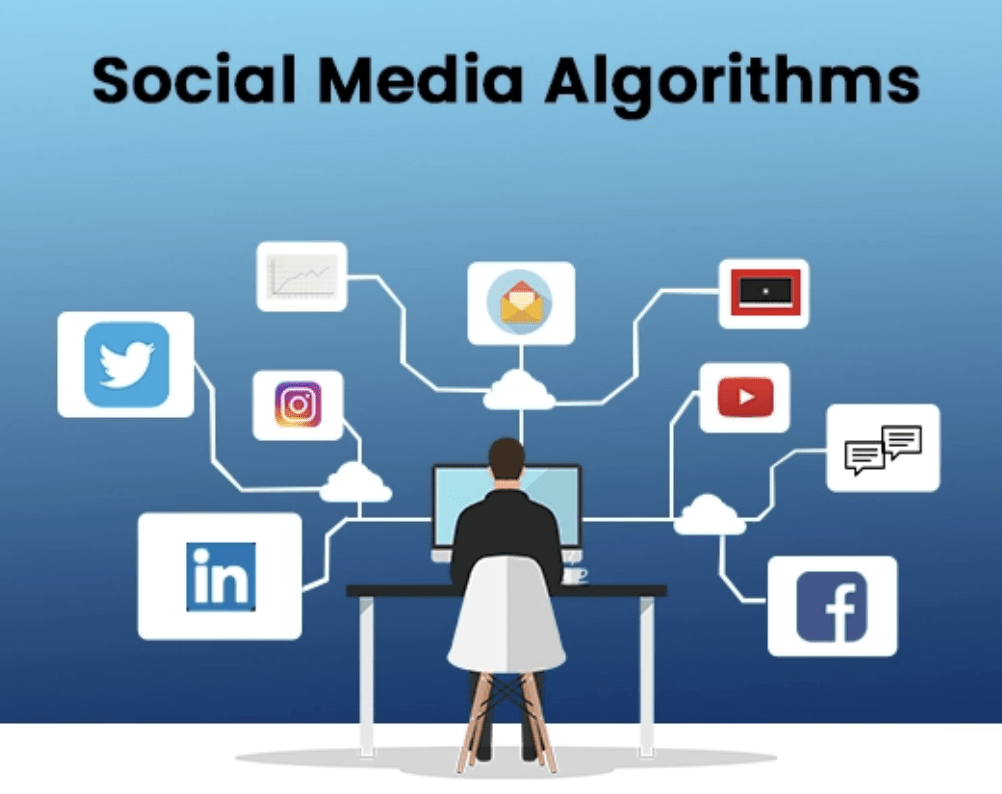
Social Media Algorithms are the systems that determine which content appears in a user’s feed. Rather than displaying posts in chronological order, Algorithms analyze behavior and prioritize content based on relevance, engagement, and predicted interest. For businesses, understanding Algorithms is essential for improving organic reach and maximizing visibility.
Every major platform, including Facebook, Instagram, LinkedIn, TikTok, and X, uses its own algorithmic model. While the formulas differ, the core objective remains the same: keep users engaged by showing them content they are most likely to interact with.
How Social Media Algorithms Work
Meta provides insights into how Facebook and Instagram ranking systems determine content visibility. Algorithms evaluate multiple engagement signals, including:
Likes and reactions
Comments and shares
Saves and clicks
Time spent viewing content
Profile visits
Past interaction history
By analyzing these signals, platforms create personalized feeds for each user. Content that generates strong engagement signals early often receives greater distribution. This means that quality, relevance, and timing directly influence performance.
Understanding how Algorithms respond to engagement helps brands design content that encourages interaction rather than passive scrolling.
The Purpose of Social Media Algorithms
The primary purpose of Social Media Algorithms is to improve user experience. By filtering out irrelevant or low-quality content, platforms maintain feed quality and encourage longer session durations.
Algorithms also serve a business purpose for platforms. By limiting organic reach, Social Media Algorithms create demand for paid advertising. Businesses that want broader visibility often invest in promoted posts or targeted campaigns.
For brands, this creates a dual strategy requirement: optimize for algorithm-friendly content while integrating paid amplification when necessary.
Content Quality and Algorithms
High-quality content performs better under Social Media Algorithms. Posts that generate authentic engagement receive priority distribution. Spammy, overly promotional, or repetitive content often receives reduced visibility.
Businesses that succeed focus on:
Educational or value-driven content
Conversation-starting posts
Authentic storytelling
Strong visuals and video
Community engagement
By aligning content strategy with how Algorithms reward engagement, brands can increase organic performance.
Organic and Paid Strategy Alignment
Because Social Media Algorithms limit pure organic reach, businesses benefit from combining organic content with paid promotion. Organic posts build trust and community, while paid campaigns expand reach to targeted audiences.
When used together, organic and paid strategies create a balanced growth model. Businesses that understand Algorithms can better allocate resources, optimize content, and scale visibility.
Maximizing Success with Social Media Algorithms
Success requires adapting to algorithm changes and monitoring performance metrics. Engagement rate, reach, and audience retention provide insight into how well your content aligns with Algorithms.
By continuously analyzing performance and refining strategy, brands can increase visibility, strengthen engagement, and improve overall social media ROI.
Understanding Algorithms allows businesses to create smarter content strategies, align with platform objectives, and maximize both organic and paid growth opportunities.