
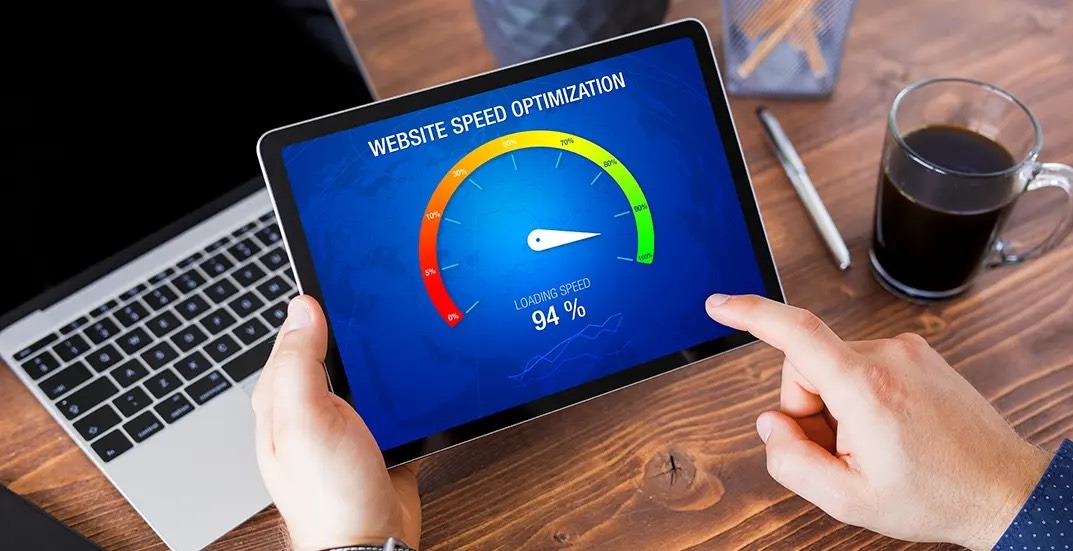
Website Speed plays a critical role in digital success. It influences user experience, search engine rankings, and conversion rates. A fast-loading website keeps visitors engaged and encourages action, while a slow site increases bounce rates and damages credibility.
In a competitive online environment, speed is no longer optional. It is a foundational performance factor that impacts every stage of the customer journey.
Why Website Speed Matters for User Experience
Users expect websites to load quickly. Most visitors decide within seconds whether to stay or leave. When a website loads slowly, frustration increases and engagement drops.
Fast Web Speed improves:
User satisfaction
Time on site
Page views per session
Brand perception
Return visits
A responsive site communicates professionalism and reliability, strengthening trust from the first interaction.
Website Speed and Search Engine Rankings
Search engines factor Web Speed into ranking algorithms. Google prioritizes websites that deliver strong user experiences, and page load time directly affects those signals.
Faster sites benefit from:
Improved crawl efficiency
Higher search rankings
Better Core Web Vitals scores
Increased organic traffic
When your website loads quickly, search engines reward you with greater visibility.
The Impact of Website Speed on Conversions
Web Speed directly influences revenue. Even a one-second delay can reduce conversion rates significantly. Whether your goal is generating leads, completing purchases, or encouraging downloads, faster load times increase performance.
Improved Web Speed helps:
Reduce cart abandonment
Increase form submissions
Improve checkout completion
Strengthen marketing ROI
Every second counts when guiding users toward action.
How to Improve Website Speed
Improving Web Speed requires technical optimization and ongoing monitoring. Key strategies include:
Compressing and resizing images
Minifying CSS and JavaScript files
Reducing unnecessary plugins
Using reliable hosting
Implementing browser caching
Leveraging a content delivery network
Optimizing Core Web Vitals
Regular speed testing tools such as Google PageSpeed Insights and GTmetrix help identify performance bottlenecks.
Long-Term Benefits of Optimizing Website Speed
Optimizing Website Speed enhances every digital marketing effort. Paid advertising performs better, SEO rankings improve, and user engagement increases.
Businesses that prioritize Website Speed create smoother customer journeys, reduce friction, and maximize the value of every visitor.
A fast website is not just a technical advantage. It is a strategic growth tool that supports visibility, trust, and revenue generation.