
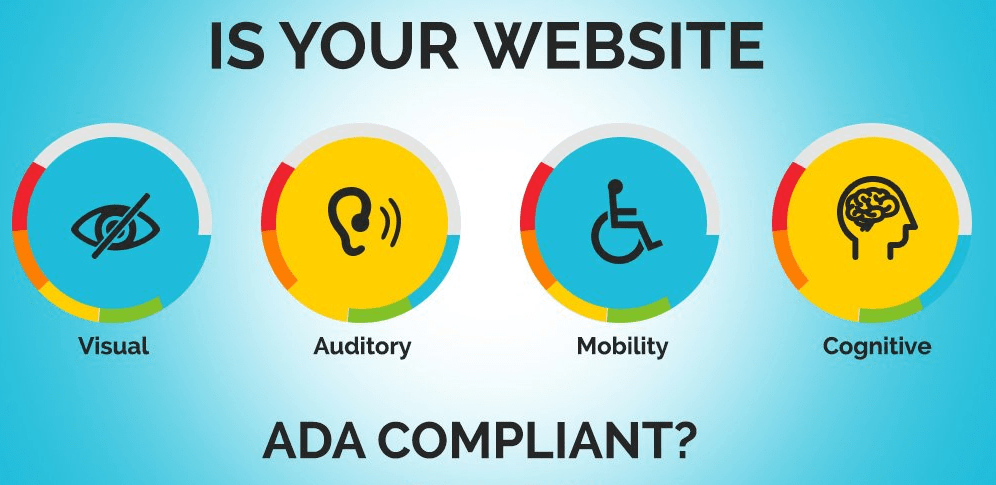
ADA compliance ensures that websites are accessible to all users, including those with disabilities. The Americans with Disabilities Act (ADA) was enacted to eliminate discrimination and provide equal access to public spaces, which now extends to digital spaces like websites. By making your site accessible, you provide a more inclusive experience for every visitor.
The Legal Importance of ADA Compliance
Non-compliance carries legal risks. Many businesses have faced lawsuits for failing to meet accessibility standards, which can result in fines, settlements, and damage to brand reputation. Ensuring compliance helps mitigate these risks and demonstrates a commitment to social responsibility.
Accessible websites are not only legally safer, they also broaden your audience. Individuals with disabilities represent a significant portion of the population, and providing an accessible experience allows your business to reach and engage this audience effectively.
ADA-compliant websites also enhance user satisfaction. Accessibility features like readable text, clear navigation, and support for assistive technologies make the website easier to use for everyone, including users without disabilities.
Improving User Experience Through Compliance
Accessibility practices can positively impact SEO. Structured, semantically correct content, proper use of headings, and descriptive alt text for images improve search engine crawling and indexing, boosting organic traffic.
Beyond legal protection and accessibility, ADA Compliance demonstrates a commitment to inclusion and equal access. Businesses that prioritize accessibility send a clear message that they value every customer experience. As digital expectations continue to evolve, accessibility standards will likely become even more prominent. Proactively improving ADA Compliance positions your business ahead of regulatory changes while strengthening long-term trust with your audience.
Protecting Your Brand with ADA Compliance
An ADA-compliant website improves brand perception, legal security, usability, and reach. It reflects an inclusive approach to business while enhancing functionality for all users.