
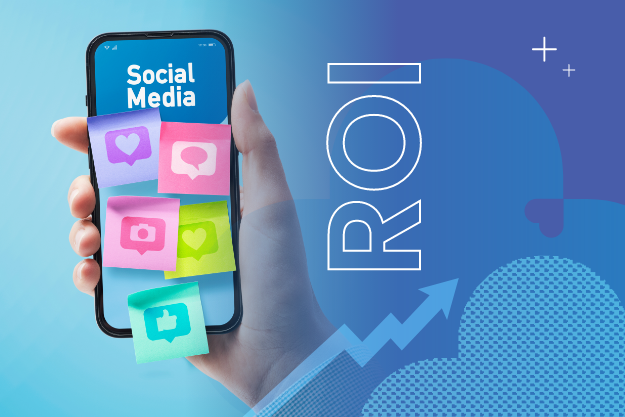
Social Media ROI measures the return on investment generated from social media marketing efforts compared to the resources invested. These resources may include advertising spend, content creation time, software tools, and team labor. While ROI is often calculated in financial terms, Social Media can also reflect non-monetary outcomes such as brand awareness, engagement, customer loyalty, and audience growth.
Understanding Social Media allows businesses to move beyond vanity metrics and focus on measurable impact. Instead of tracking likes and impressions alone, companies can evaluate how social media contributes to revenue, lead generation, and long-term brand equity.
Why Social Media ROI Matters
Tracking Social Media ROI ensures that marketing decisions are data-driven rather than assumption-based. When businesses measure performance consistently, they can determine which campaigns generate meaningful results and which require adjustment.
Analyzing ROI helps businesses:
Allocate budget more effectively
Prioritize high-performing platforms
Improve content strategy
Strengthen audience targeting
Increase overall marketing efficiency
Without measuring Social Media, it becomes difficult to justify time and budget investments in social media management.
How to Measure Social Media ROI
Measuring ROI begins with defining clear goals. These goals may include:
Lead generation
Direct sales
Website traffic
Email signups
Engagement growth
Brand awareness
Once objectives are defined, businesses can track performance metrics such as conversion rate, cost per lead, click-through rate, and revenue attribution.
For industry benchmarks and platform usage trends, you can reference DataReportal’s global digital reports, which provide detailed statistics on social media usage and engagement worldwide:
Using analytics platforms and attribution models, businesses can calculate return by comparing total revenue generated to total social media investment.
Improving Campaign Performance Through Social Media ROI
Monitoring Social Media creates a feedback loop for continuous improvement. When brands analyze results regularly, they can refine messaging, adjust creative formats, optimize posting schedules, and improve targeting.
For example, if video content consistently generates higher engagement and conversions, businesses can shift resources toward video production. If certain audience segments respond better than others, campaigns can be adjusted accordingly.
This optimization process turns social media from a content distribution channel into a measurable growth engine.
ROI and Stakeholder Confidence
Demonstrating Social Media builds credibility with stakeholders, executives, and decision-makers. When you show how social media contributes to sales, leads, or long-term customer value, it strengthens support for marketing investments.
Clear ROI reporting also aligns marketing teams with business objectives. Instead of focusing solely on engagement metrics, teams can connect performance directly to revenue and strategic growth.
Social Media ROI as a Growth Driver
Social Media is more than a financial metric. It reflects how effectively your brand connects with audiences, builds trust, and influences buying decisions. When businesses track, analyze, and optimize ROI consistently, social media becomes a strategic asset rather than a discretionary expense.
By prioritizing measurable outcomes and continuous refinement, brands can transform social media into a predictable driver of long-term growth.
One Response